This is a webpage & communications campaign that I made for CalRecyle in my Content Creation class. Check it out!
Disclaimer: All content found on this page was made for academic purposes only. I have no association with any of the companies listed here.
Food Waste: The Role You Play In Preserving the Earth
For some, college is the first time that they handle all of their meals on their own. In all honesty, from prepping ingredients to doing dishes, the process can be a bit overwhelming.
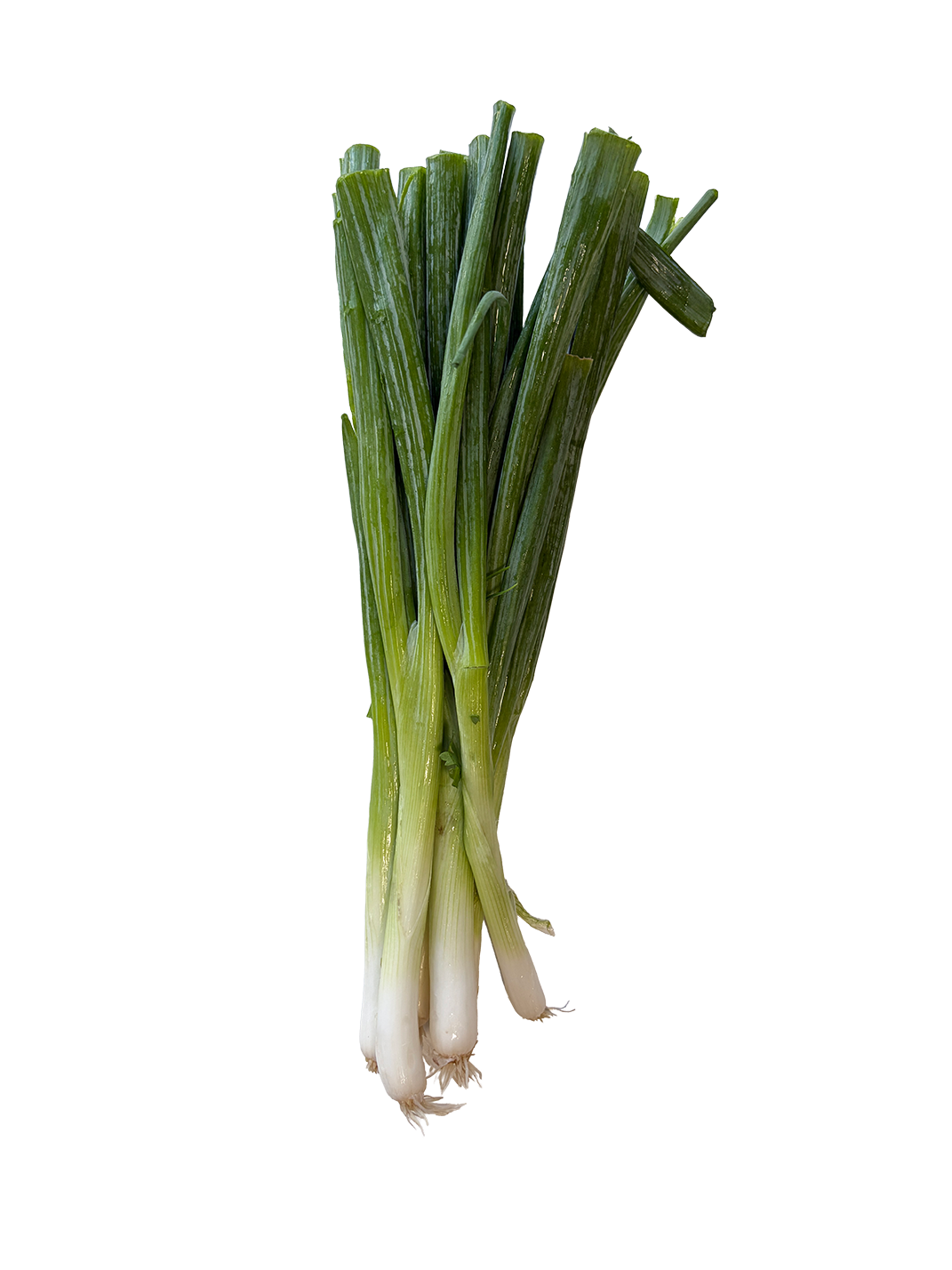
But there’s a term known as mise en place, which means “putting into place.” It looks like getting all the ingredients out and preparing them before anything goes in the pan: chopping vegetables, trimming meat, and measuring spices. It’s commonly overlooked, but highly valuable. That way, you won’t be scrambling to cut a potato while your meat’s burning. Mise en place helps cooks stay organized and tidy.
It’s also the step where most food waste happens. Peels, skins, fat, ends, and bones sent to landfills.
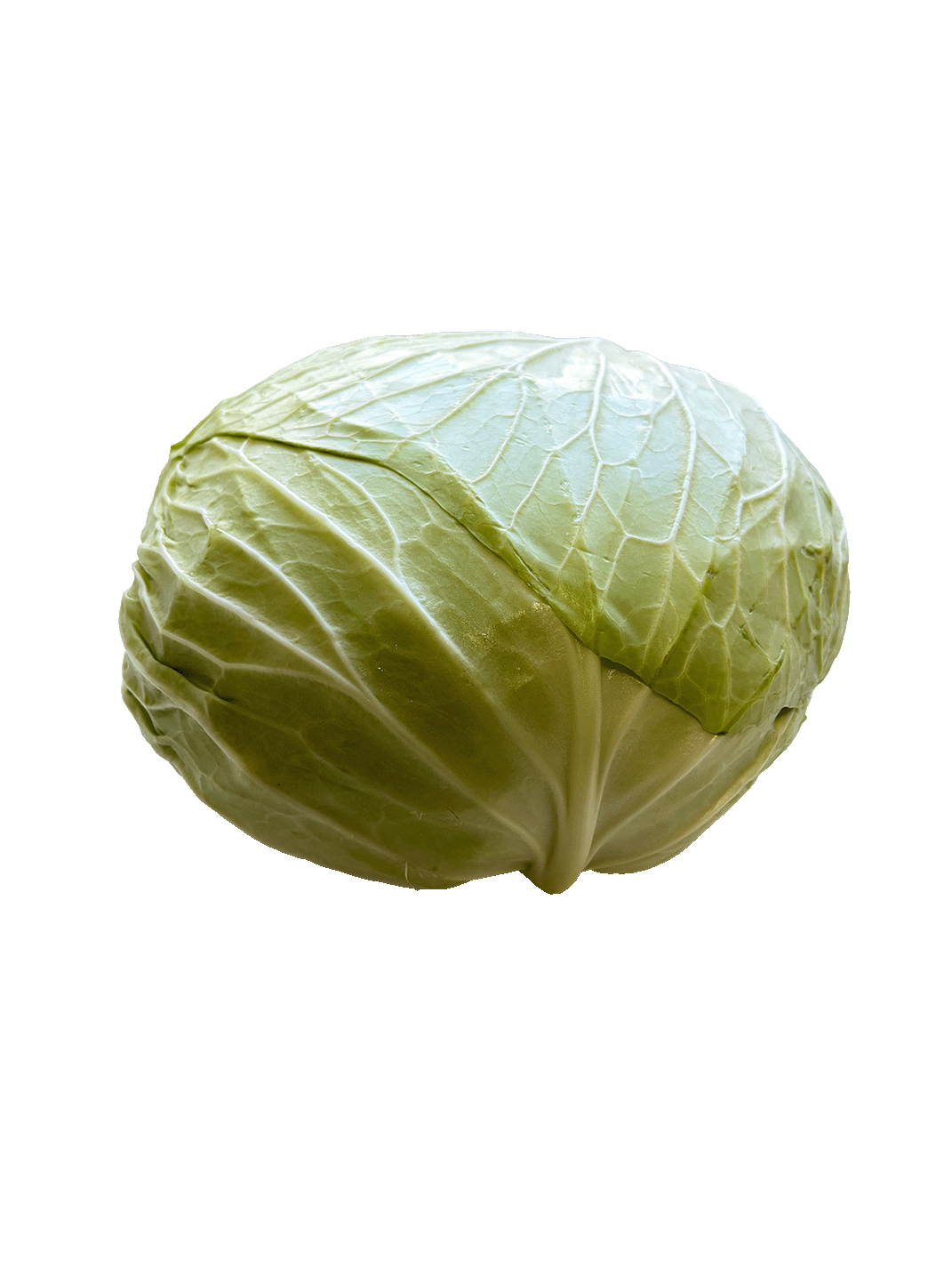
Scrap and trim are just a portion of total food waste, but every bit counts. According to CalRecycle, “organic waste is 48% of what California throws in landfills, by weight, including 2.5 billion meals worth of unspoiled food a year.” In a CalMatters article, Clemens Stockreiter says that every million tons of food waste is responsible for 330,000 to 540,000 tons of CO2 emissions.
We’ve drawn up some ideas for how you can keep your food scraps out of landfills and make a tasty meal along the way.
Let it cook!
Some of the trim that ends up in the garbage is perfectly cookable. Think cabbage cores, broccoli stems, and herb stalks. It might take a bit of creativity—julienning stems thin, peeling tough skins, or cooking a bit longer than usual—but making the most out of your produce can be a great way to keep food out of the landfill while stretching your dollar further.
Make a Soup. Then, Compost the Rest
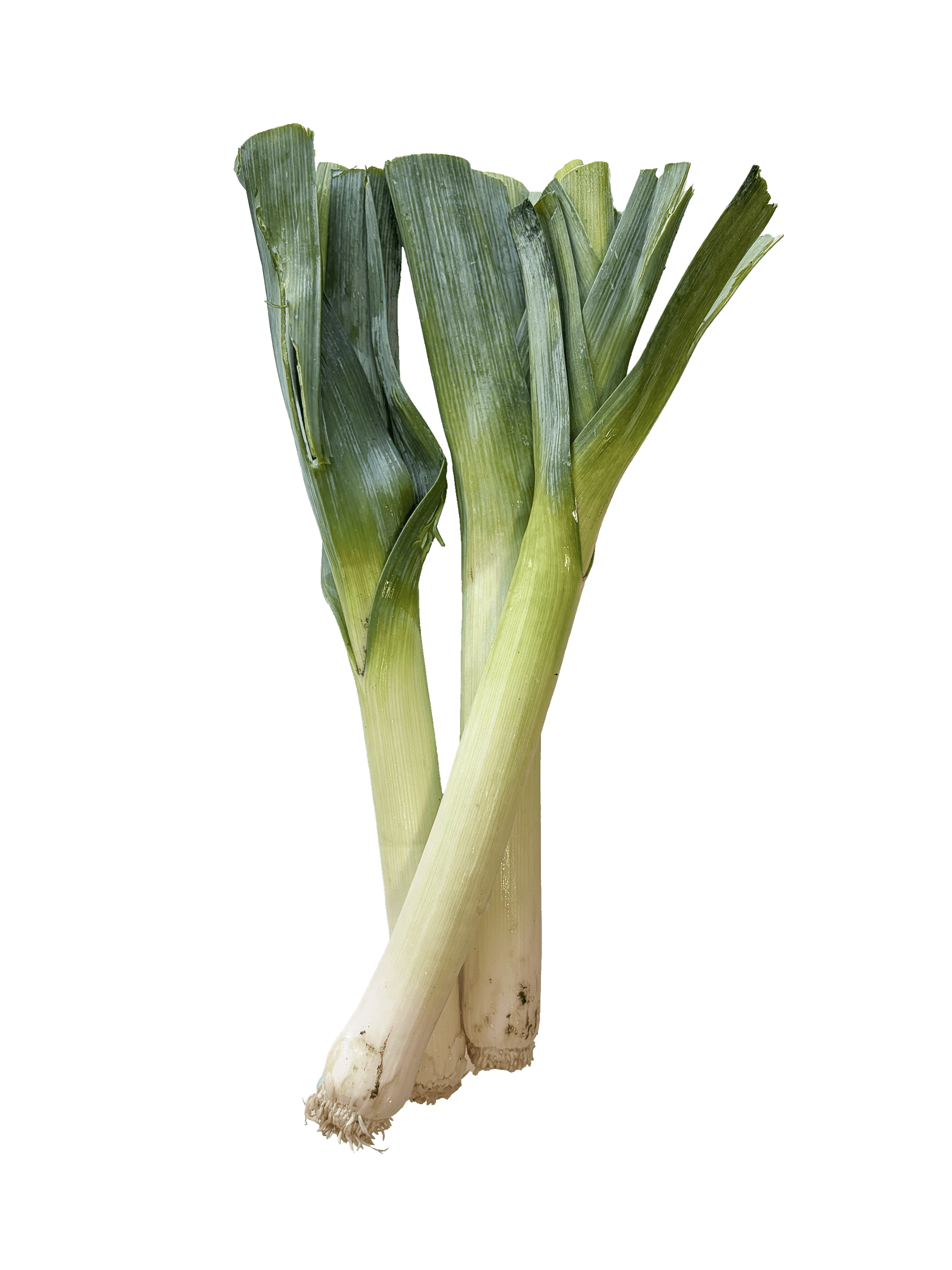
Back in 2021, Glamour said soup is “hot girl food.” Five years later, we can’t help but agree. And making your own is a great way to use up onion tops, leek greens, chicken bones, and cabbage cores. Don’t overcomplicate it. It can be as simple as boiling a bunch of scraps in a pot. But make sure to compost what’s left over and keep it out of landfills.
Find a Compost Bin
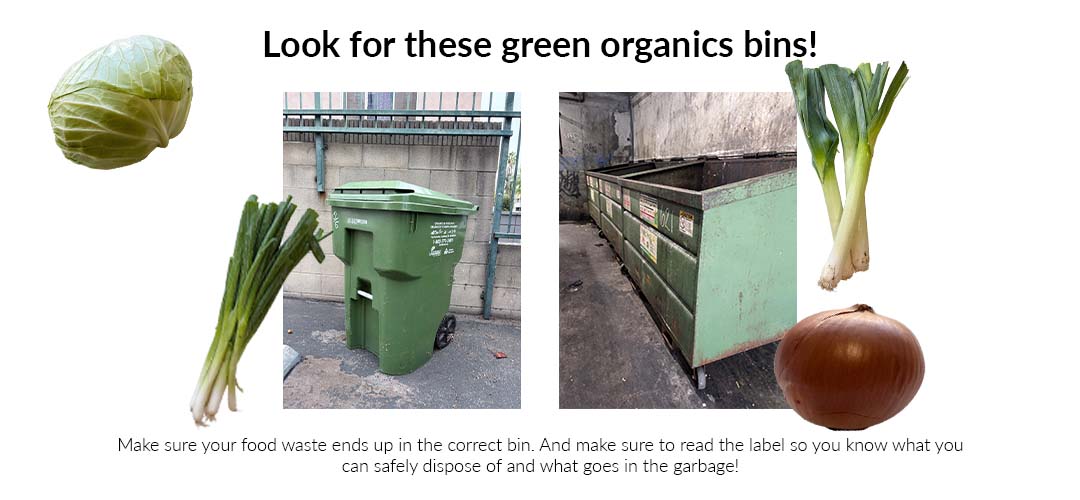
Again, cooking is just step one. Even cooked food scraps produce greenhouse gases if left in landfills, so it’s important to make sure that anything left over makes it into the green compost bins, not the trash. Having a separate, food-only waste bin can help ensure that trash stays organized. If you don’t have access to municipal organic waste bins, community-based options abound. Here in Los Angeles, LA Compost has community hubs across the city where anyone can drop off their food scraps.
Conclusion
In the context of millions of tons, as Stockreiter wrote, any individual efforts can feel futile. It’s true, just one person eating their broccoli stems isn’t going to make any difference, which necessitates a cultural shift in how we see food, waste, and our relationship with the environment. We’re hoping to get the ball rolling on that here at LA’s universities. We’ve listed some resources below to help you learn more about ways you and your community can get involved.
The Ads
Out of Home
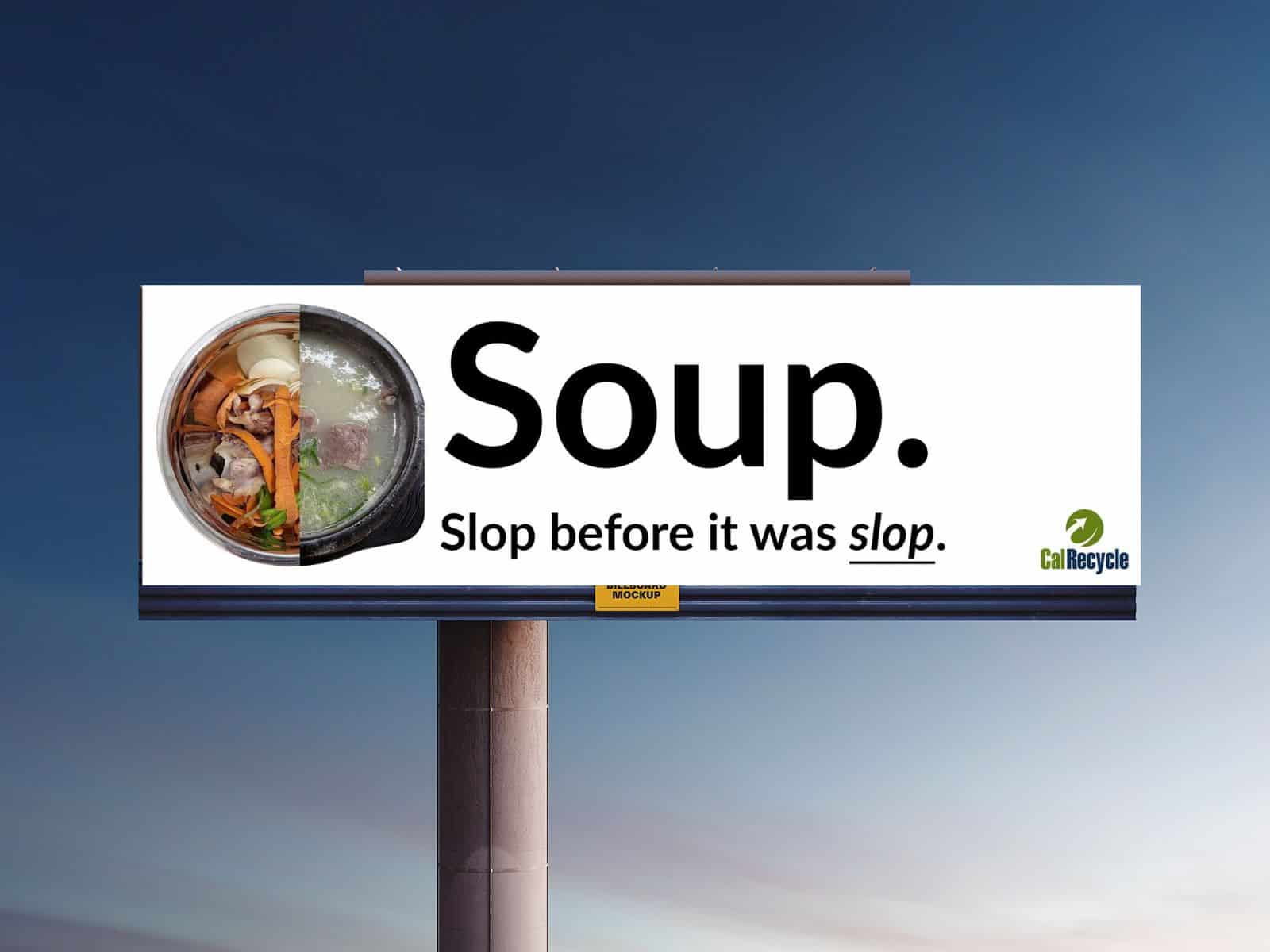
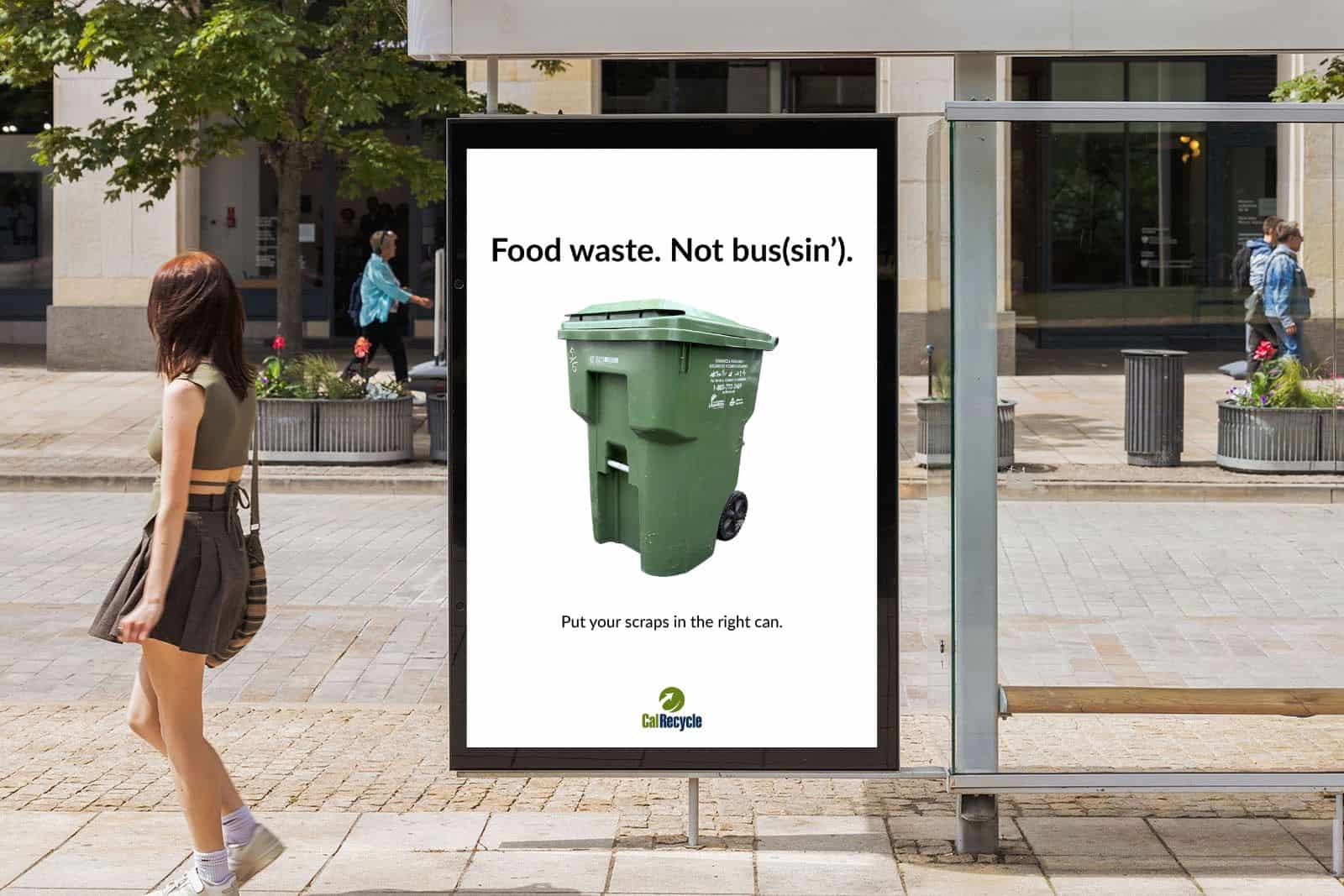
Matt’s Note: This campaign focuses on Gen Z LA residents. I was planning on having these OOH ads appear in areas surrounding universities, such as Westwood or Exposition Park. Students in those areas would understand the references to slang like slop or bussin’ and their connection to broader culture.
Social Media
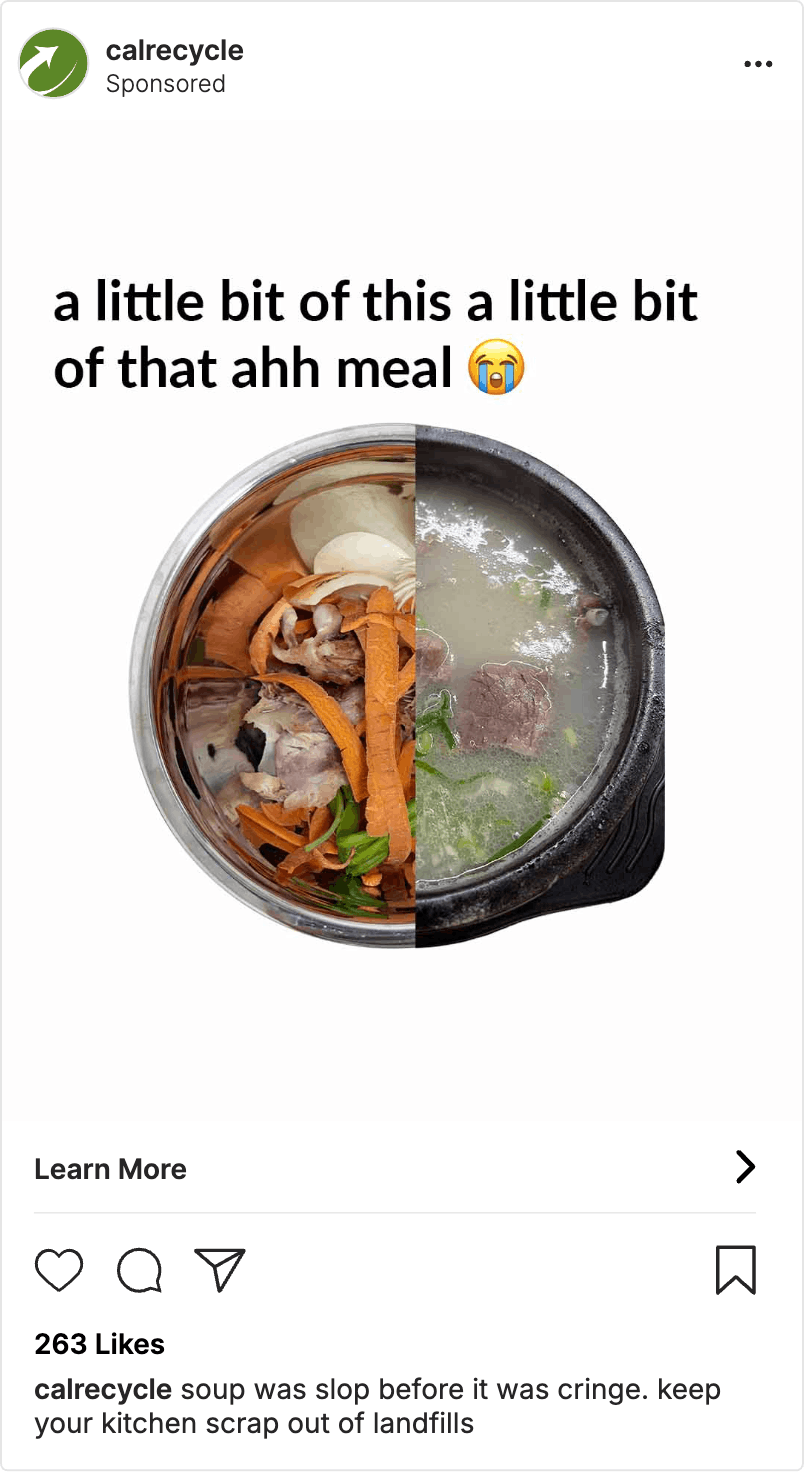
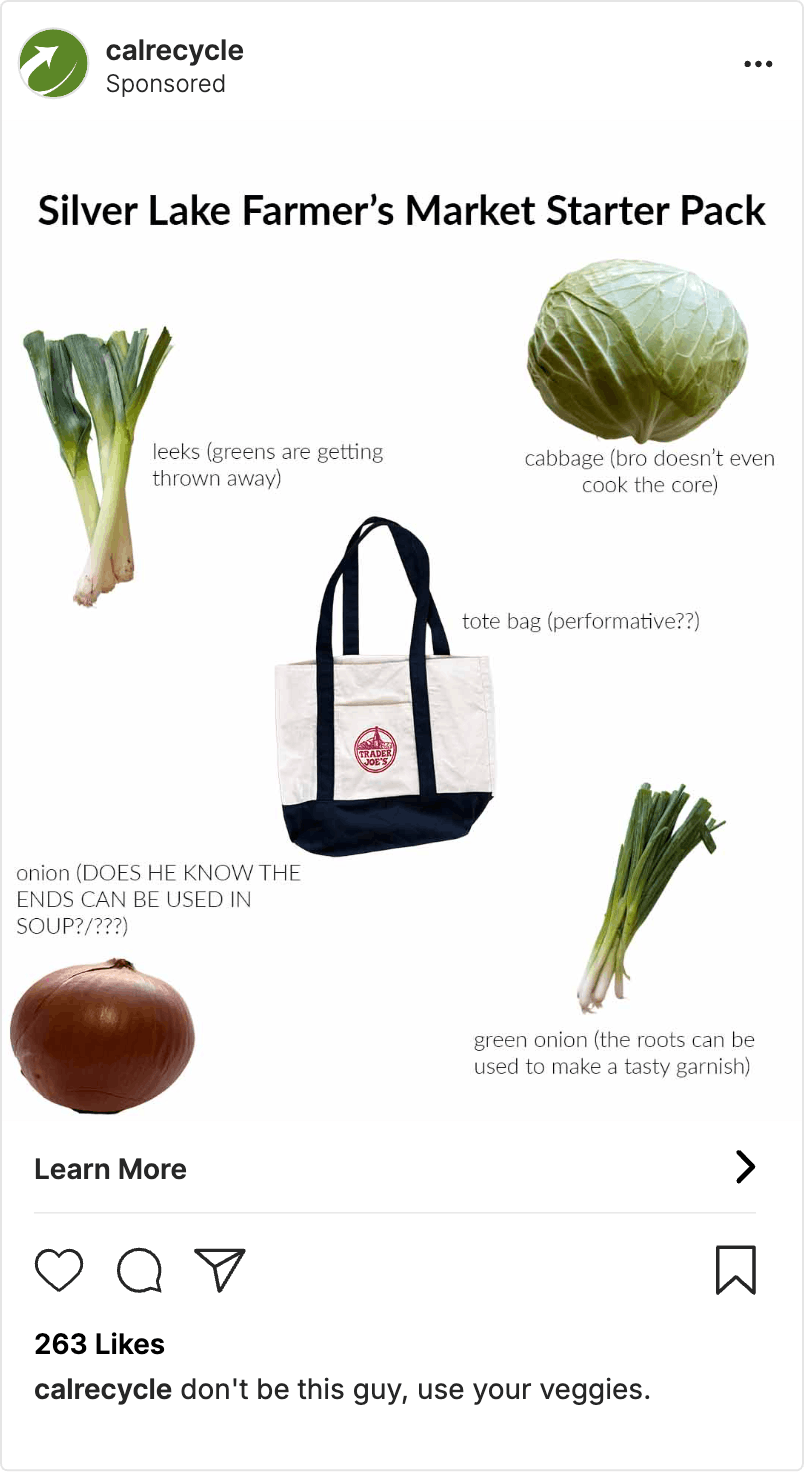
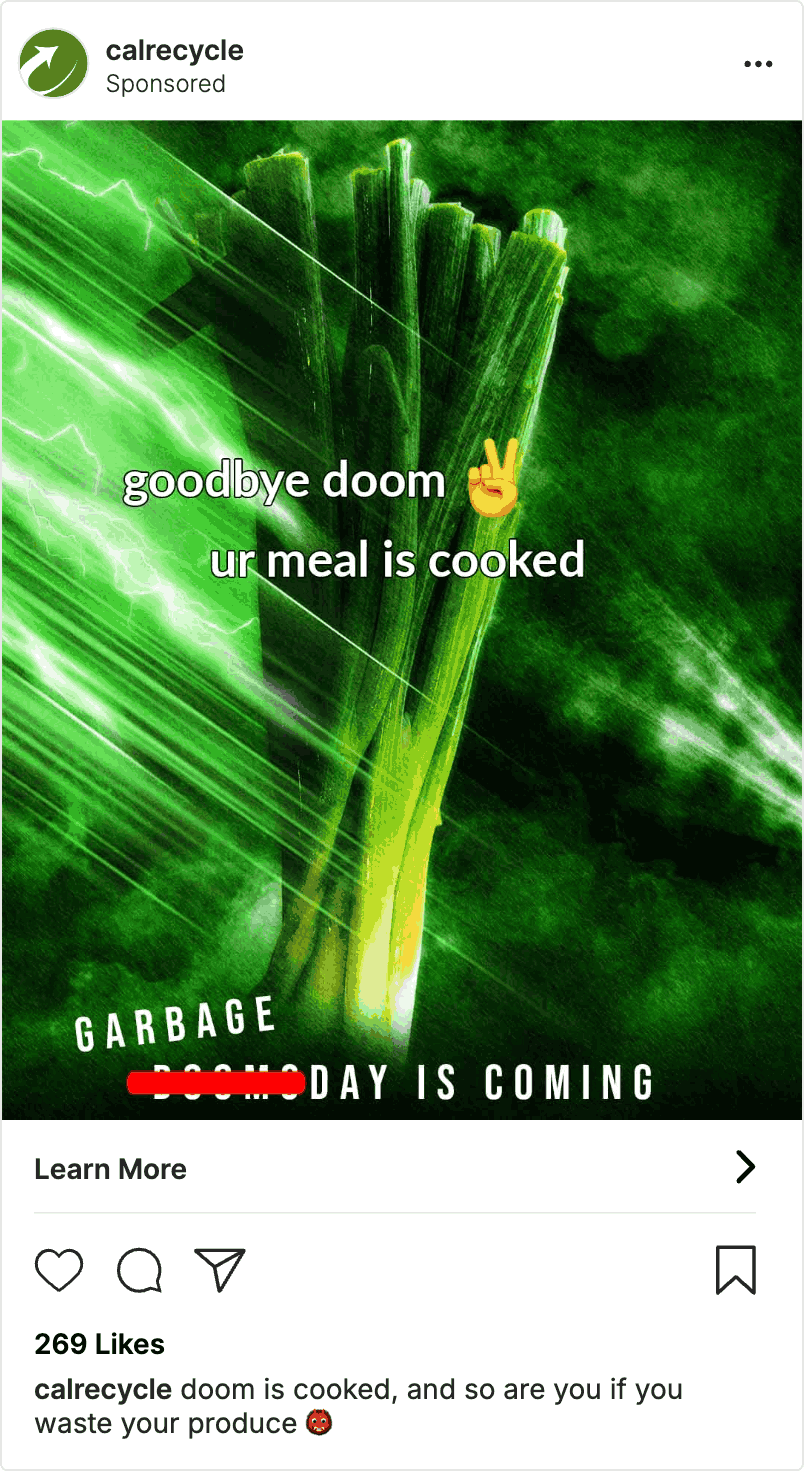
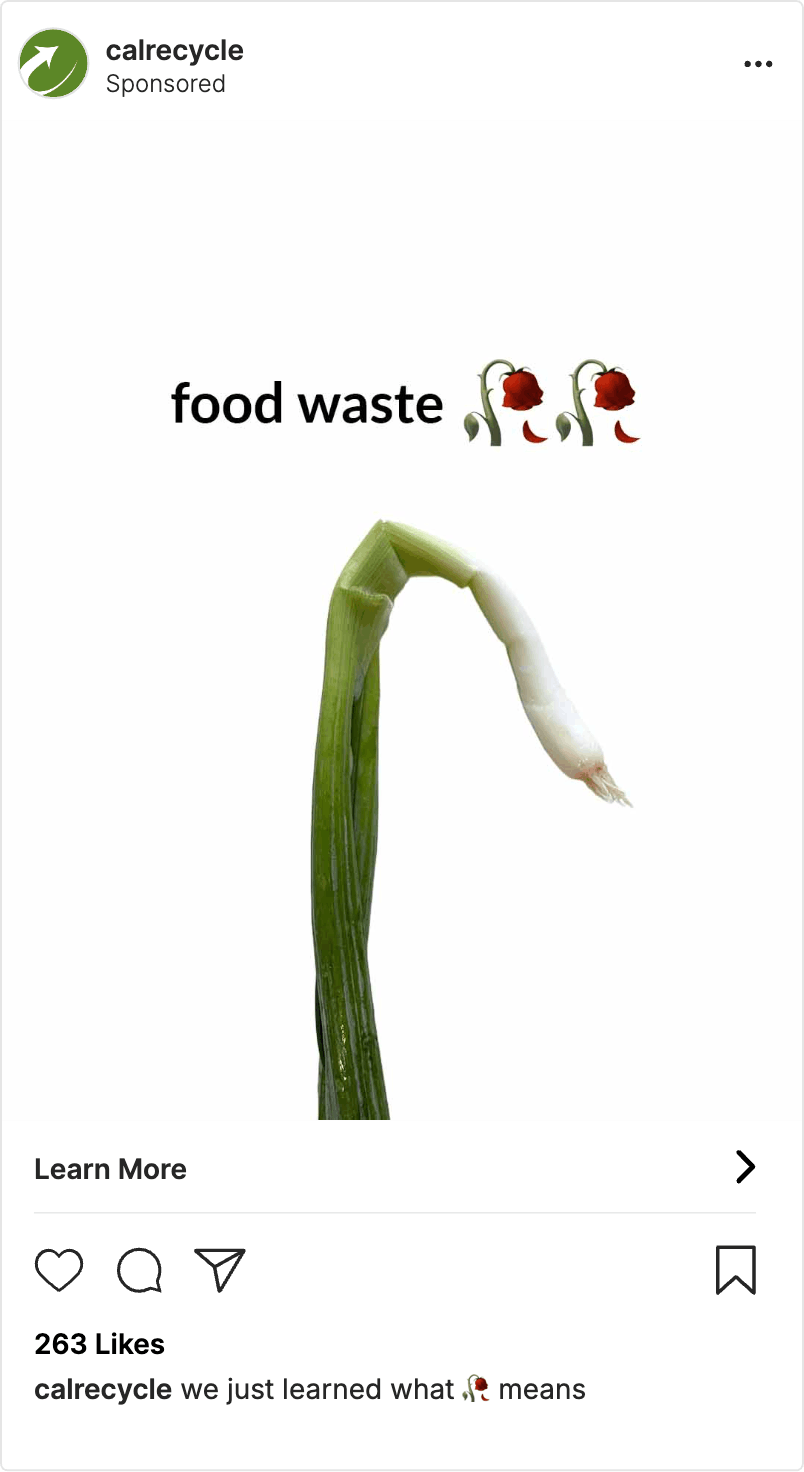
Matt’s Note: The goal of these ads is mainly to draw attention and increase awareness of CalRecycle as an organization and its food waste-related causes. Unpolished, absurd humor is well-received by Gen Z, which is why I chose to lean into memes and pop culture for this project.